McDonald’s Allergen Menu: Find Safe Meal Choices
For individuals with food allergies, dining out can be a daunting task. However, McDonald’s provides an allergen menu to help make informed choices. This menu is designed to assist those with dietary restrictions, ensuring a safe and enjoyable meal.
Understanding the ingredients used in McDonald’s menu items is crucial for those with allergies. By providing detailed allergy information, McDonald’s enables customers to make informed decisions about their meal choices.
Key Takeaways
- McDonald’s provides an allergen menu to help customers with dietary restrictions.
- The menu includes detailed information about ingredients used in menu items.
- Customers can make informed choices about their meals using McDonald’s allergy information.
- McDonald’s caters to individuals with food allergies, ensuring a safe dining experience.
- The allergen menu is a valuable resource for those with dietary restrictions.
Understanding Food Allergies and Fast Food Dining
Food allergies are a serious concern for many, and understanding how to safely dine at fast food restaurants is crucial. For those with allergies, knowing what ingredients are used in menu items can be the difference between a safe meal and a potentially dangerous one.
Common Food Allergens in Restaurant Settings
Common allergens such as peanuts, tree nuts, milk, eggs, fish, shellfish, wheat, and soy are frequently found in restaurant settings. At fast food chains like McDonald’s, these allergens can be present in various menu items, making it essential for consumers to be aware of their presence.
Peanuts and tree nuts are often associated with severe allergic reactions and are commonly found in sauces or as toppings. Milk and eggs are typical ingredients in breakfast items and desserts.
The Importance of Allergen Information for Consumers
Having access to clear allergen information allows consumers to make informed decisions about their meals. McDonald’s provides allergen information to help customers with allergies make safe choices.
By understanding the ingredients and potential cross-contamination risks, consumers can enjoy their meals with greater peace of mind. This transparency is crucial for building trust between consumers and fast food establishments.
Navigating McDonald’s Allergen Menu
McDonald’s allergen menu is designed to assist customers in identifying safe meal options. With a comprehensive guide, customers can make informed decisions about their meals. “Food allergy is a serious condition that requires careful management,” says Food Allergy Research & Education, emphasizing the importance of accurate allergen information.
Where to Access the Complete Allergen Information
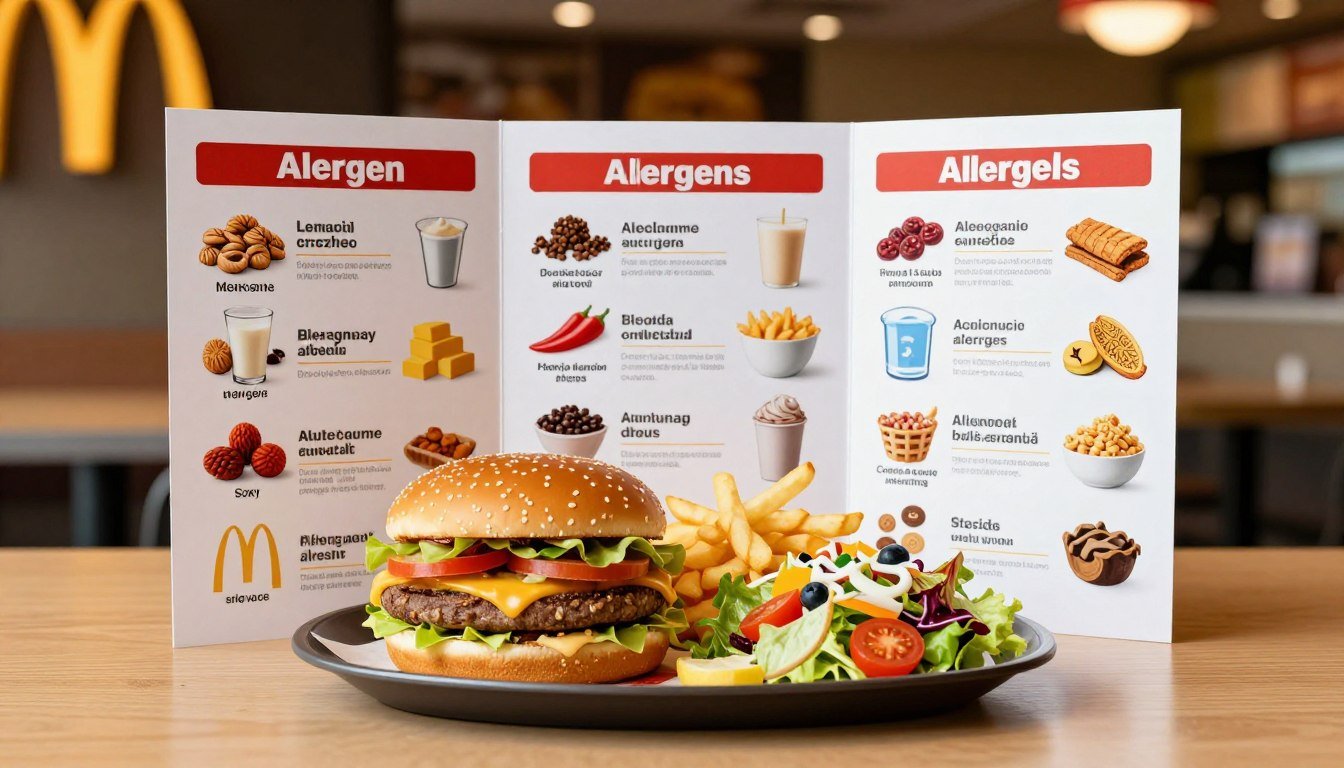
McDonald’s provides detailed allergen information on their website and in-restaurant pamphlets. Customers can visit the McDonald’s website to access the McDonald’s allergen guide, which lists all menu items along with their allergen warnings. This resource is invaluable for those with severe food allergies, allowing them to plan their meals in advance.
How to Interpret McDonald’s Allergen Charts and Symbols
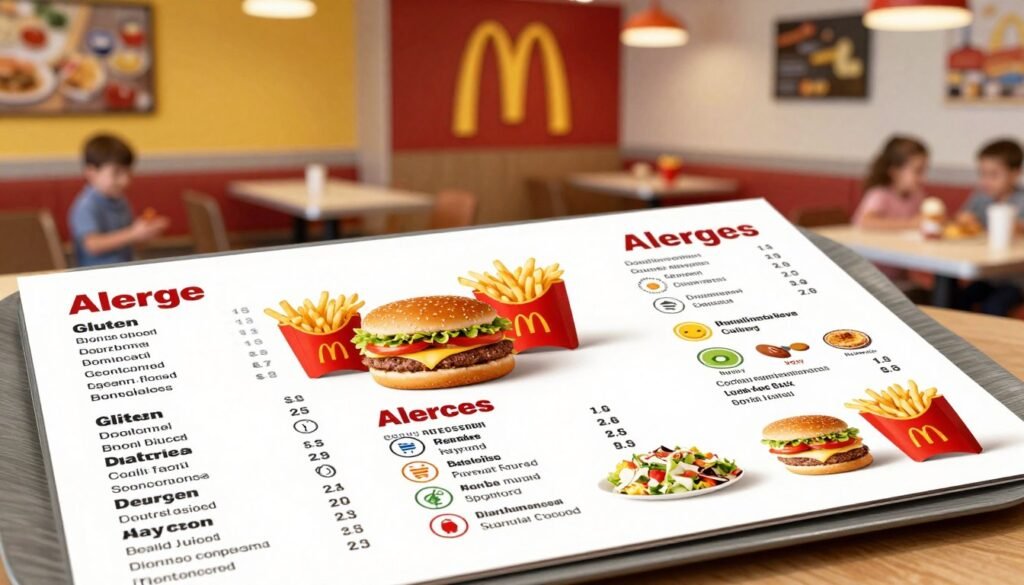
McDonald’s uses a clear and concise system to indicate the presence of common allergens in their menu items. The McDonald’s allergen menu items are labeled with symbols that correspond to specific allergens such as gluten, dairy, and nuts. By understanding these symbols, customers can quickly identify which menu items are safe for their consumption. As noted by a leading allergist, “Clear labeling is key to preventing accidental exposure to allergens.”
McDonald’s Approach to Food Allergies and Sensitivities
McDonald’s has taken significant steps to address food allergies and sensitivities in their restaurants. Recognizing the importance of food safety, the company has implemented various policies and training programs to protect customers with dietary restrictions.
Corporate Allergen Policies and Commitments
McDonald’s has established comprehensive allergen policies to ensure customer safety. These policies include maintaining detailed records of ingredients used in their menu items, which are reflected in their McDonald’s allergen chart. This chart provides customers with crucial information about potential allergens in their food.
The company is committed to transparency, making allergen information readily available to customers through various channels, including their website and in-restaurant materials. By doing so, McDonald’s empowers customers to make informed decisions about their meal choices.
Staff Training on Allergen Awareness
McDonald’s understands that effective staff training is crucial in managing food allergies. Employees undergo rigorous training programs that educate them on the importance of allergen awareness, how to identify potential allergens, and procedures for handling cross-contamination.
As quoted by a McDonald’s representative, “We take food allergies seriously and train our staff to ensure they’re equipped to handle customer inquiries and concerns about allergens.” This commitment to staff education is a cornerstone of McDonald’s approach to McDonald’s food allergies and sensitivities.
| Training Component | Description |
|---|---|
| Allergen Identification | Employees learn to identify common allergens in menu items |
| Cross-Contamination Prevention | Staff are trained on procedures to minimize cross-contamination risks |
| Customer Communication | Employees are taught how to effectively communicate with customers about allergen concerns |
Breakfast Menu Options for Allergy Sufferers
McDonald’s understands the importance of breakfast for those with allergies and provides a range of options to cater to different needs. For individuals with dietary restrictions, having a safe and enjoyable breakfast is crucial.
Gluten-Free Breakfast Possibilities
While McDonald’s doesn’t have a dedicated gluten-free kitchen, some breakfast items are inherently gluten-free. For example, the Scrambled Eggs and Fruit and Maple Oatmeal (without the crunchy bits that contain gluten) can be considered gluten-free options. However, it’s essential for customers with gluten intolerance or sensitivity to inform the staff about their condition to ensure proper handling.
Dairy-Free Morning Meal Choices
For those avoiding dairy, McDonald’s offers some dairy-free breakfast alternatives. The Fruit and Maple Oatmeal (made with water or a non-dairy milk alternative, if available) and certain fresh fruit items can be suitable options. Customers should be aware that cross-contamination is possible and notify the staff of their dairy allergy.
Egg-Free Breakfast Alternatives
While eggs are a staple in many breakfast dishes, McDonald’s has some egg-free options. The Fruit and Maple Oatmeal is a viable choice for those looking to avoid eggs. Additionally, some Yogurt Parfait variations might be egg-free, but it’s crucial to check the ingredients with the staff.
In conclusion, McDonald’s provides various breakfast options that can cater to different allergy needs. It’s always recommended that customers with severe allergies communicate their requirements clearly to the restaurant staff to ensure a safe dining experience.
Lunch and Dinner Choices on McDonald’s Allergen Menu
For those with food allergies, navigating the lunch and dinner menu at McDonald’s can be made easier with the right information. McDonald’s offers a variety of options that cater to different allergen concerns, ensuring that there’s something for everyone.
Burger Options for Various Allergen Concerns
McDonald’s burgers are a staple on their menu, and they offer several options that can accommodate various allergen needs. The classic cheeseburger and hamburger are popular choices, but it’s essential to be aware of the ingredients and potential allergens.
| Burger Option | Contains | Allergen Warning |
|---|---|---|
| Classic Cheeseburger | Beef, cheese, bun | Contains gluten, dairy, and soy |
| Hamburger | Beef, bun | Contains gluten, soy |
Chicken and Fish Items Allergen Breakdown
McDonald’s also offers chicken and fish items that can be suitable for individuals with certain allergen concerns. The Filet-O-Fish and Chicken McNuggets are popular choices, but it’s crucial to understand their allergen profiles.
| Menu Item | Contains | Allergen Warning |
|---|---|---|
| Filet-O-Fish | Fish, bun, cheese | Contains fish, gluten, dairy, and soy |
| Chicken McNuggets | Chicken, breading | Contains gluten, soy, and egg |
By understanding the allergen information for these menu items, customers can make informed decisions that meet their dietary needs. McDonald’s commitment to providing detailed allergen information helps ensure a safe dining experience for all customers.
Sides, Salads, and Desserts Allergen Information
When dining at McDonald’s, understanding the allergen information for sides, salads, and desserts is crucial for those with dietary restrictions. McDonald’s provides detailed allergen information to help customers make informed choices.
French Fries and Side Items Allergen Status
McDonald’s French fries are a popular side item, but they contain allergens that customers should be aware of. According to McDonald’s allergen menu, their French fries contain potato, a natural ingredient, and are cooked in a dedicated fryer. However, there is a risk of cross-contamination with other allergens like wheat and milk due to shared cooking and preparation areas.

Salad Options for Allergy-Conscious Diners
McDonald’s salad options can be a healthy choice for diners, but it’s essential to consider the allergens present in the ingredients and dressings. For example, their salads may contain eggs, fish, or milk, depending on the toppings. Customers can request allergen information for specific salad ingredients to make safe choices.
| Salad | Common Allergens |
|---|---|
| Southwest Buttermilk Crispy Chicken Salad | Eggs, Milk |
| Bacon Ranch Grilled Chicken Salad | Milk |
Ice Cream and Dessert Allergen Considerations
McDonald’s ice cream and desserts, such as their iconic McFlurry, can be a sweet treat, but they contain allergens like milk and soy. Customers with dairy allergies should be cautious. Some desserts may also contain nuts or other common allergens, so it’s crucial to check the allergen information before ordering.
“Customers with food allergies should always inform the restaurant staff about their allergies to ensure their safety while dining.”
By being aware of the allergens in McDonald’s sides, salads, and desserts, customers can enjoy their meal while managing their dietary restrictions.
Digital Tools for Accessing McDonald’s Allergen Menu
For those with dietary restrictions, McDonald’s provides a range of digital platforms to access detailed allergen information. This makes it easier for customers to make informed decisions about their meal choices.
McDonald’s has developed several digital tools to help customers navigate their menu safely. One of the primary resources is their mobile app, which offers features specifically designed for allergen filtering.
Mobile App Features for Allergen Filtering
The McDonald’s mobile app allows users to filter menu items based on specific allergens. This feature is particularly useful for customers who need to avoid certain ingredients. By selecting the allergens they wish to avoid, users can view a customized menu that excludes those items.
Key features of the app include:
- Allergen filtering to exclude specific ingredients
- Detailed ingredient information for each menu item
- Nutritional information to help with dietary planning
Online Resources for Allergen Information
In addition to the mobile app, McDonald’s provides online resources where customers can access comprehensive allergen information. The official McDonald’s website contains a dedicated section for allergen details, including charts and lists of ingredients for various menu items.
Customers can visit the website to:
- View detailed allergen charts for menu items
- Access ingredient lists for specific products
- Find information on cross-contamination procedures
Practical Tips for Ordering with Food Allergies at McDonald’s
Ordering at McDonald’s with a food allergy involves more than just picking a meal; it requires awareness and communication. Individuals with food allergies must take extra precautions to ensure their meal is safe. Here are some practical tips to help navigate the process.
Effective Communication with Restaurant Staff
Informing the restaurant staff about your food allergy is crucial. When you order, let them know about your allergy and ask questions about the ingredients and preparation methods. McDonald’s staff are trained to handle such inquiries and can provide valuable information to help you make an informed decision.
Cross-Contamination Awareness and Prevention
Cross-contamination is a significant risk for individuals with severe food allergies. Be aware that McDonald’s kitchens handle various allergens, and there’s a possibility of cross-contamination. Asking staff about their procedures for handling allergens can help you understand the risks better.
Special Order Requests and Modifications
McDonald’s allows for certain modifications to accommodate dietary needs. If you have a food allergy, you can request changes to your meal, such as holding a particular ingredient. However, it’s essential to understand that while McDonald’s can accommodate some requests, they cannot guarantee that the meal will be completely free from certain allergens.
| Allergen | Common Sources at McDonald’s | Precautions |
|---|---|---|
| Peanuts | Not typically used in main menu items | Check sauces and desserts |
| Tree Nuts | Some salads and desserts | Avoid items with nuts, check ingredients |
| Gluten | Buns, some sauces | Opt for gluten-free alternatives when available |
How McDonald’s Allergen Practices Compare to Other Fast Food Chains
Comparing McDonald’s allergen practices to other fast food chains reveals a mixed landscape of accommodations. While some chains excel in providing detailed allergen information, others lag behind.
Industry Standards for Allergen Information
The fast food industry has established various standards for providing allergen information. Many chains now offer detailed allergen charts, similar to McDonald’s, on their websites and in-store. Key elements include:
- Clear labeling of common allergens such as peanuts, tree nuts, milk, eggs, fish, shellfish, wheat, and soy
- Detailed ingredient lists for menu items
- Information on potential cross-contamination risks
Areas Where McDonald’s Leads or Lags in Allergen Accommodation
McDonald’s is recognized for its comprehensive allergen chart and robust staff training programs. However, when compared to some competitors, there are areas for improvement. For instance, some chains offer more customizable meal options for allergy sufferers. By continuing to update its McDonald’s allergen chart and enhance customer education, McDonald’s can maintain its leadership in allergen accommodation.
Understanding McDonald’s food allergies policies and comparing them to industry peers helps consumers make informed choices.
Conclusion
McDonald’s Allergen Menu is a valuable resource for individuals with food allergies, providing detailed information to help make informed dining choices. Throughout this article, we’ve explored the various aspects of McDonald’s approach to allergen safety, from their corporate policies to the practical tips for ordering safely.
By understanding how to navigate McDonald’s Allergen Menu and utilizing the digital tools available, customers can enjoy a safer dining experience. McDonald’s commitment to customer safety is evident in their staff training programs and the transparency of their allergen information.
As a leader in the fast-food industry, McDonald’s sets a positive example for allergen accommodation. By continuing to provide accessible and reliable allergen information, McDonald’s supports customers with dietary restrictions, ensuring they can enjoy their favorite meals with confidence.